
Over recent decades, the construction industry has become one of the most influential
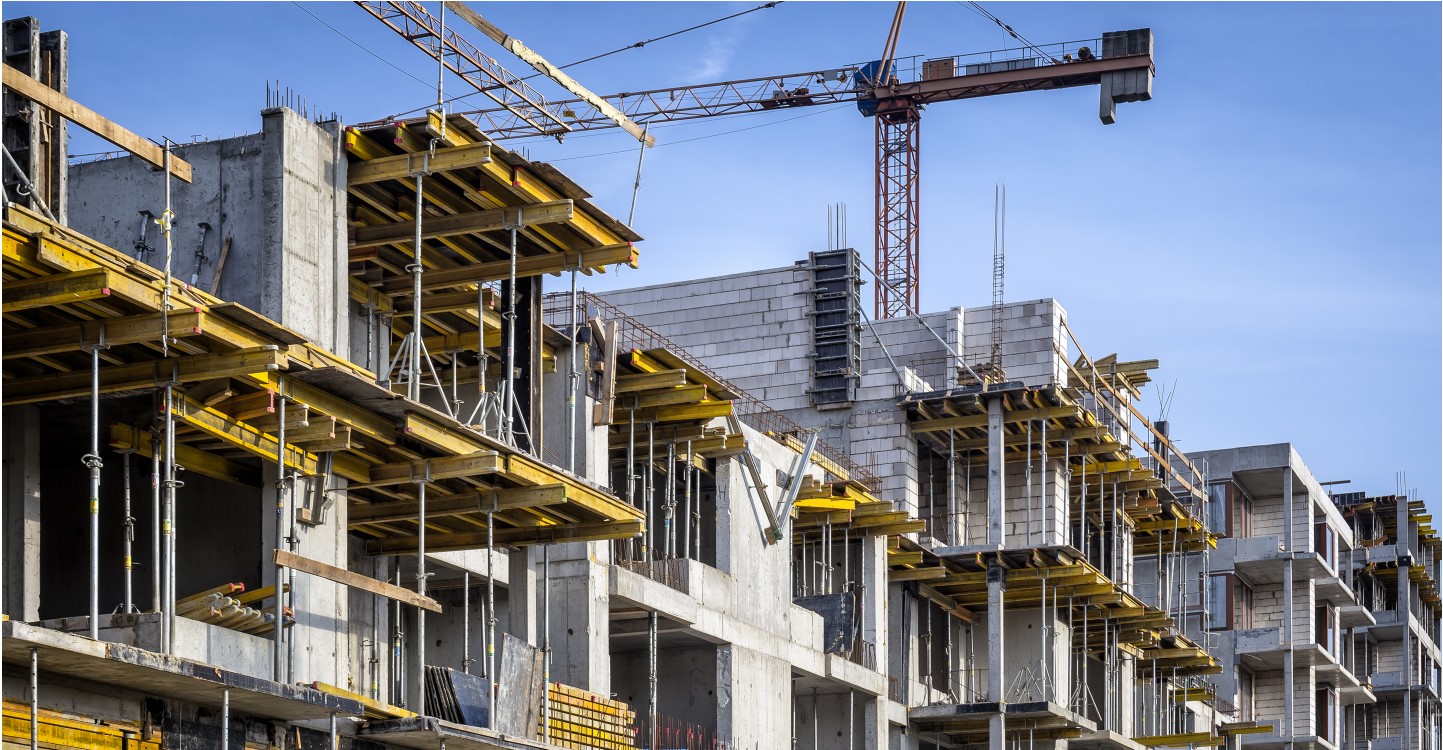
Over recent decades, the construction industry has become one of the most influential factors affecting the environment. High energy consumption, greenhouse gas emissions, extensive use of natural resources, and the generation of construction waste have made traditional approaches to architecture and building inadequate for today’s needs. In this context, the concept of sustainable architecture has emerged as a modern approach and a fundamental solution for reducing environmental damage and creating balance between urban development and nature conservation.
Sustainable architecture is based on three key principles: environmental protection, economic efficiency, and social well‑being. In this approach, a building must not only be aesthetically pleasing and functional but also impose minimal harm on its surroundings. For example, the use of local materials reduces transportation costs and therefore fuel consumption. Similarly, implementing proper thermal insulation systems can reduce a building’s energy use by up to 30 percent.
One of the most important elements in sustainable architecture is climate‑responsive design. This type of design is tailored to the climatic conditions of a region. For instance, in hot and dry areas of Iran such as Yazd, traditional windcatchers serve as a historical example of sustainable design that provided natural ventilation without relying on electricity. Today, similar strategies can be adopted to minimize energy consumption in modern buildings.
Furthermore, the use of renewable energy sources—such as solar energy—plays a crucial role in sustainable architecture. Installing solar panels on rooftops can supply a significant portion of a building’s electricity needs. In some countries, “zero‑energy buildings” are designed, meaning the amount of energy they generate equals the amount they consume. This marks a future in which buildings are not merely consumers but also producers of energy.
Water management is another essential aspect of sustainable architecture. Collecting rainwater and reusing greywater (water from handwashing and bathing) can significantly reduce urban water consumption. Given the water scarcity challenges in many parts of the world, such measures are increasingly necessary.
Beyond environmental concerns, sustainable architecture also emphasizes the health and well‑being of occupants. The use of natural light, proper ventilation, and non‑toxic building materials can improve quality of life. Studies show that spaces with sufficient natural lighting can increase productivity and lower stress levels.
Ultimately, sustainable architecture is not a luxury choice but an unavoidable necessity for the future of cities. With growing urban populations and limited natural resources, shifting toward sustainable construction helps protect the environment while also proving economically beneficial in the long run. The future of the building industry, without adherence to sustainability principles, would be costly and unstable.