
In recent decades, the construction industry has undergone significant transformations.
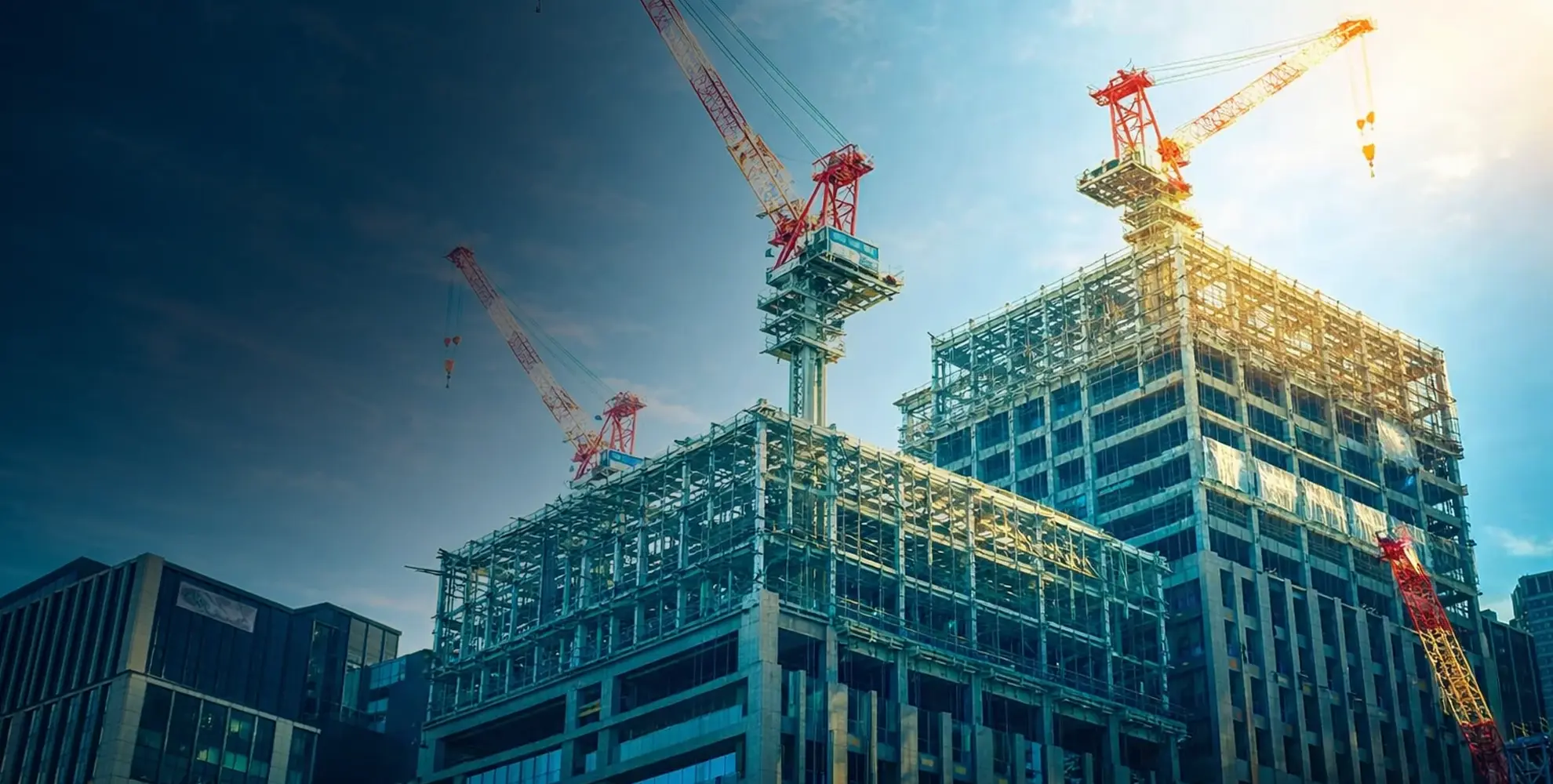
In recent decades, the construction industry has undergone significant transformations. Technological advancements have revolutionized traditional building methods, increasing the speed, accuracy, and safety of construction projects. Today, the use of modern technologies is not only a competitive advantage but has become a necessity in many projects.
One of the most important modern technologies in this field is Building Information Modeling (BIM). This system enables integrated 3D design and project information management. With BIM, architects, structural engineers, and MEP specialists can examine all project details before construction begins, preventing execution errors. Studies show that the use of BIM can reduce design‑related costs by up to 20 percent.
3D printing is another transformative technology in construction. In some countries, houses are now built using large‑scale 3D printers in less than 48 hours. This technology not only reduces construction time but also optimizes material usage and decreases construction waste. It can also play a crucial role in providing affordable housing for underdeveloped regions.
Robotics and artificial intelligence have also entered the construction industry. Construction robots can perform tasks such as bricklaying or concrete pouring with high precision. This increases the speed of work while reducing risks to workers’ safety. On the other hand, AI algorithms can analyze project data and propose optimized scheduling and improved resource management.
The use of advanced materials is another major development in this industry. Self‑healing concrete, smart glass, and nano‑insulation materials are examples of such innovations. For instance, self‑healing concrete uses special bacteria to automatically fill small cracks, extending the lifespan of structures.
Drones have also become widely used for construction monitoring. With drones, project progress can be assessed from above, and accurate maps can be generated. This approach reduces monitoring costs and improves precision in project evaluation.
Overall, modern technologies have not only increased the efficiency of the construction industry but also enhanced the safety, quality, and sustainability of projects. The future of this industry is unimaginable without digital and intelligent technologies, and companies that fail to adapt to these changes will fall behind in the competitive landscape.